- Doprava a platba
- Veľkoobchod
- Pri nákupe za 55 € máte dopravu ZADARMO

Keyboard and digital piano cases and covers perform a key role in protecting keyboard instruments during transit, storage, and everyday use. An appropriately chosen case is crucial for transportation, whereas instruments that stay at home or in a studio may benefit from a dust-protective cover.
When choosing, take into account the dimensions of your keyboard instrument. The number of keys can help facilitate an initial selection, but two keyboards with the same number of keys might still have varying lengths, widths, and heights.
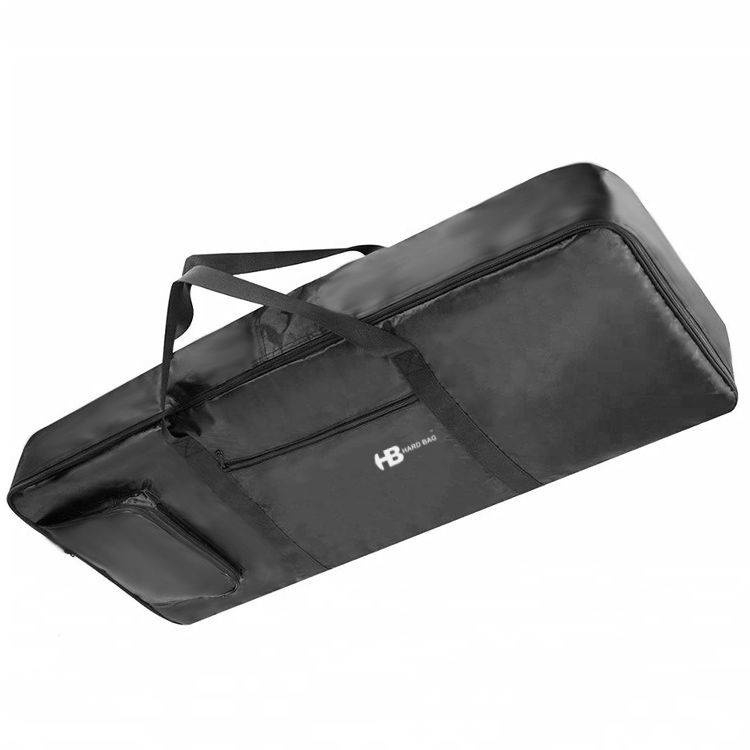
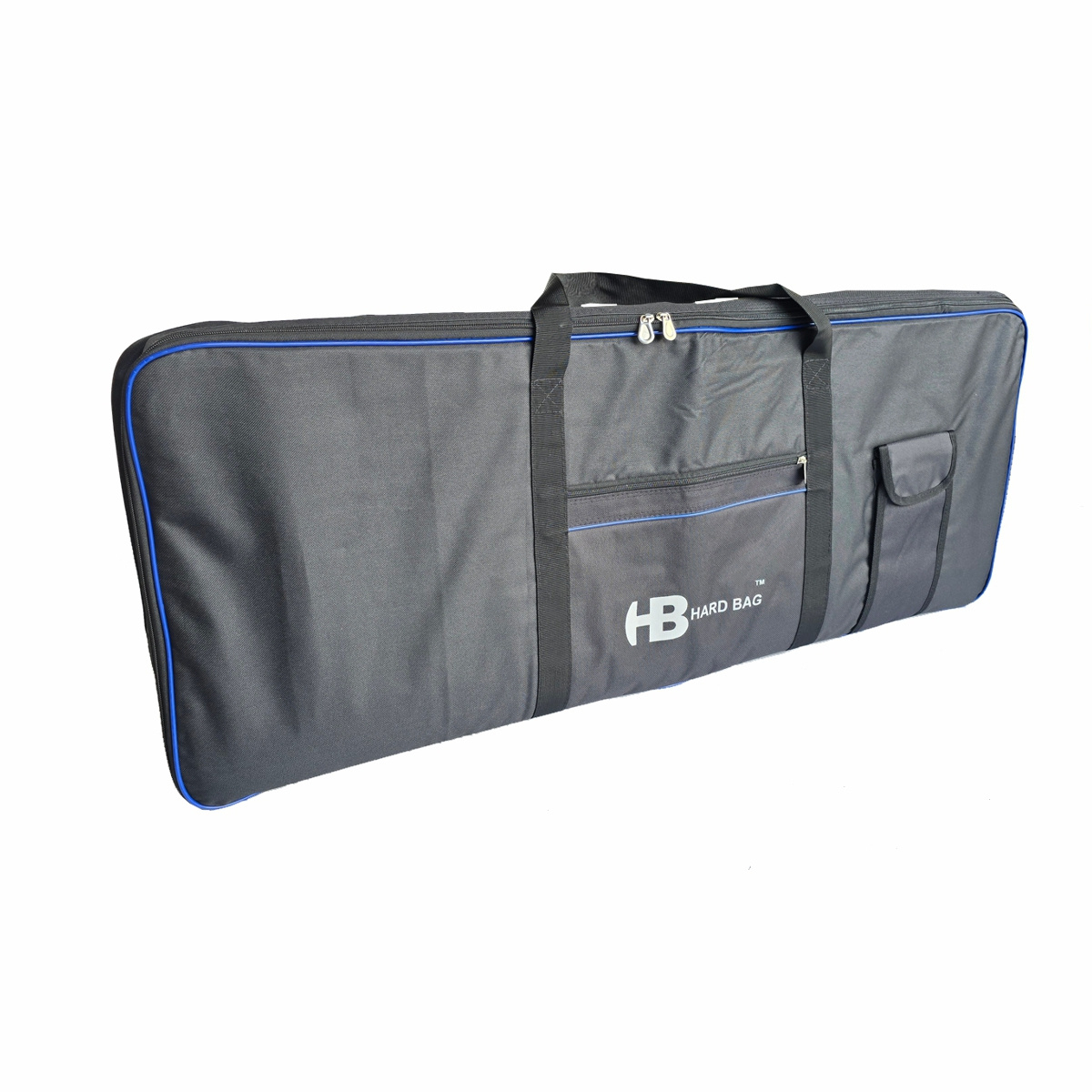
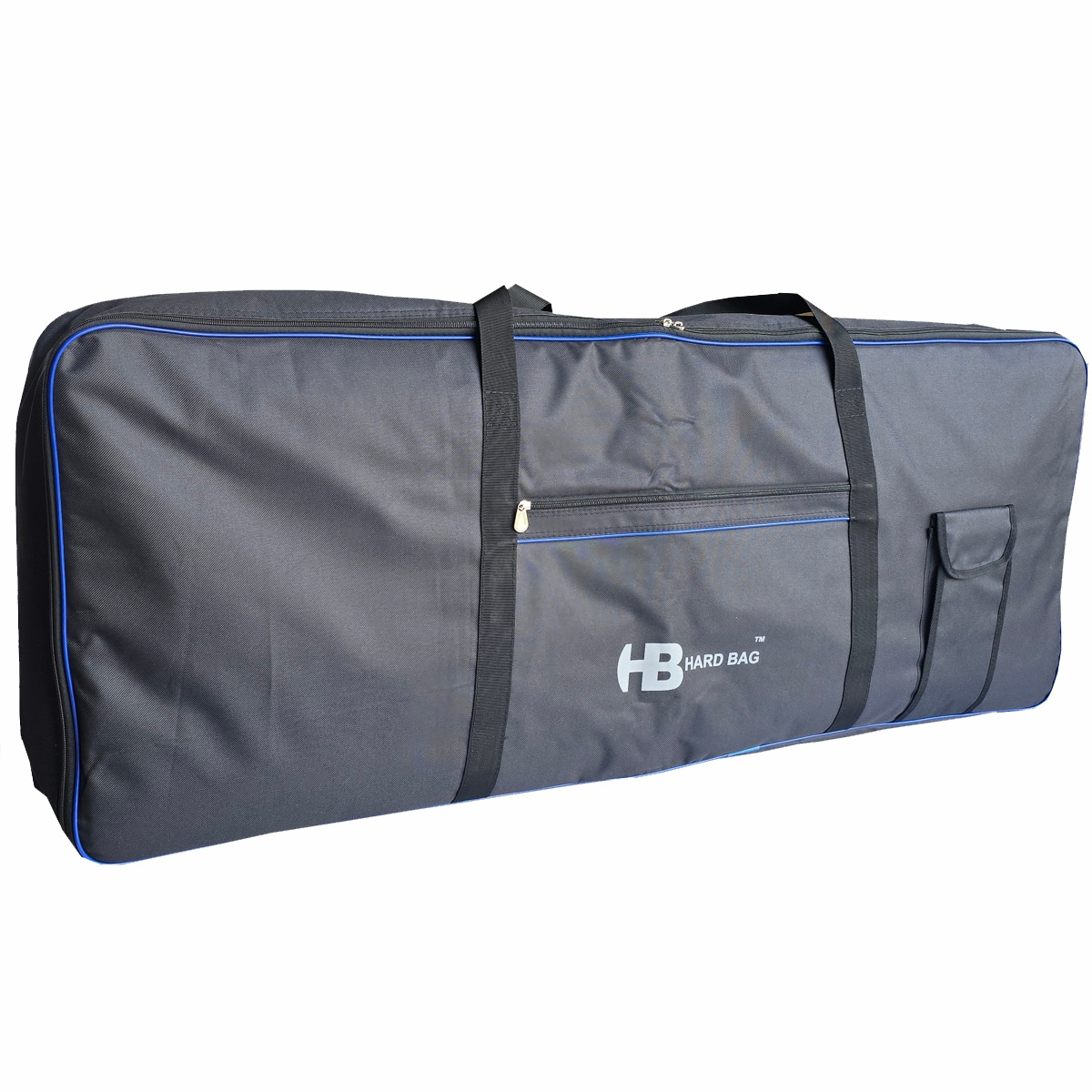
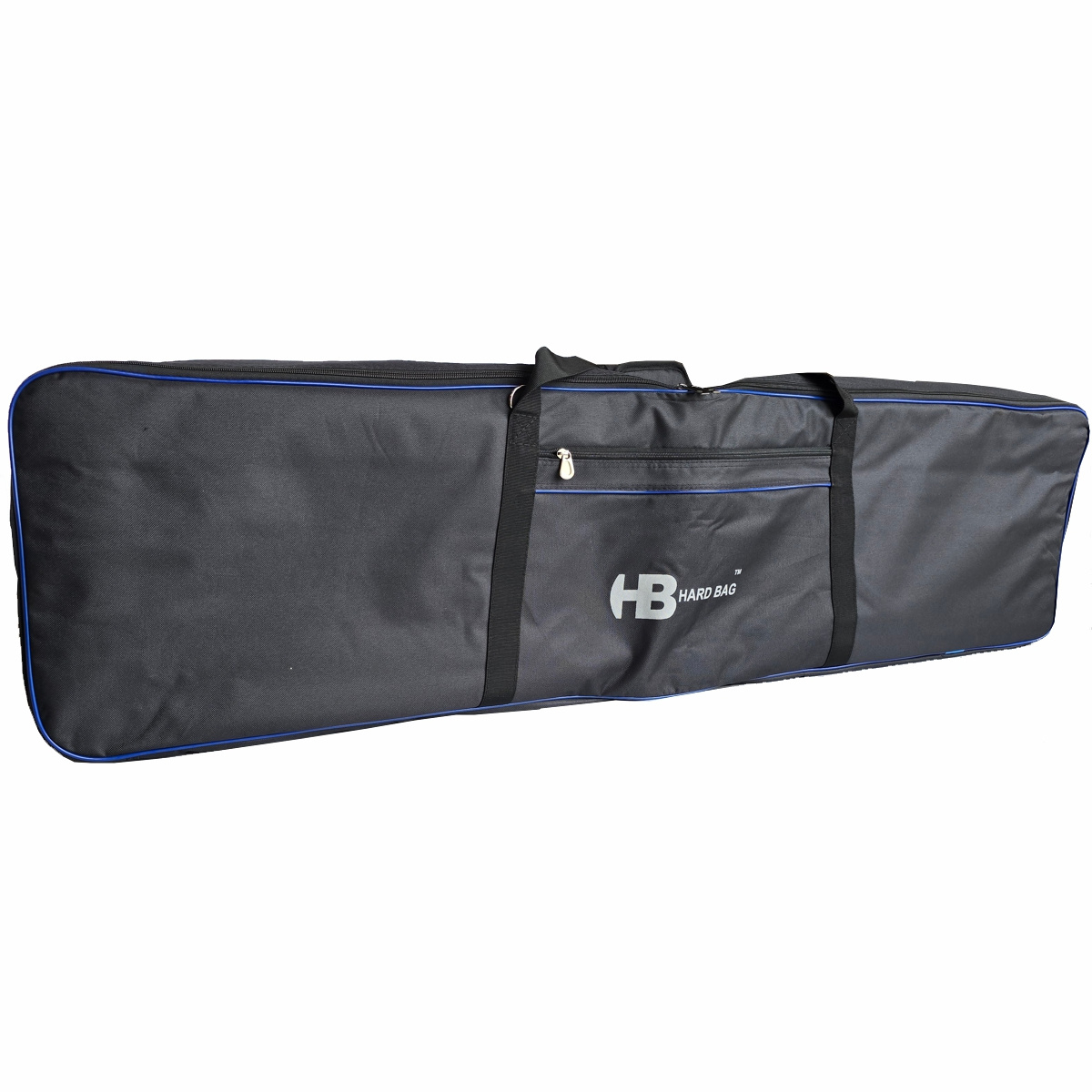
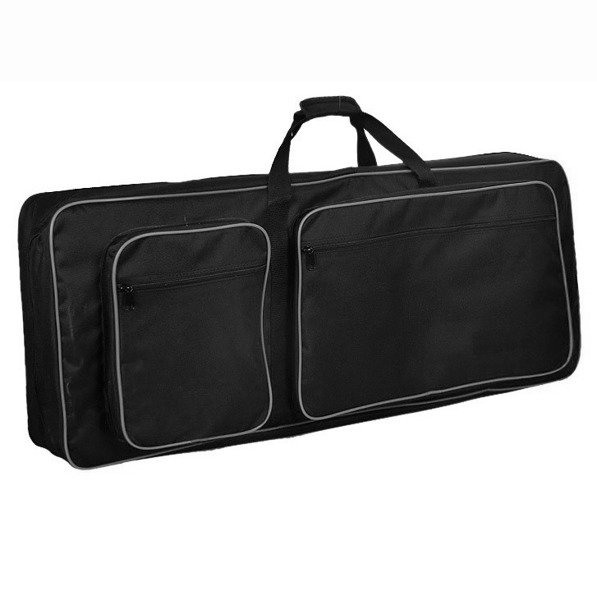
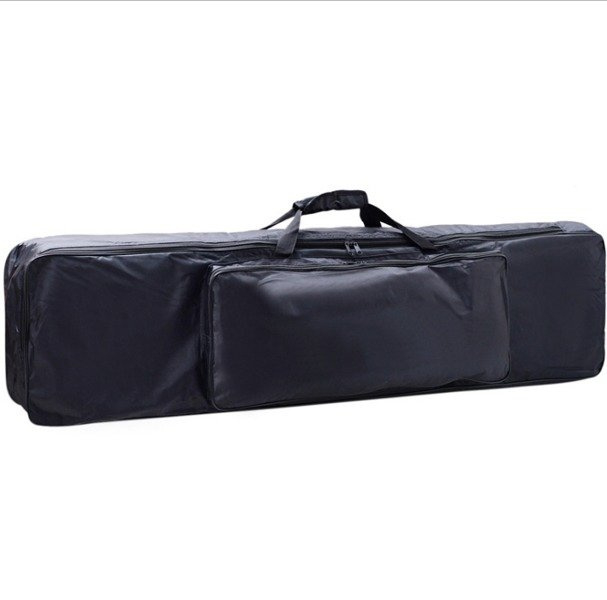
A keyboard case primarily facilitate the transport of the instrument between home, music school, rehearsal space, studio, or stage. Depending on the specific model, it might come with handles, shoulder straps, accessory pockets, or internal padding.
Before purchasing, always compare the internal dimensions of the case with the dimensions of your instrument. The keyboard should have ample room in the case for comfortable placement, yet it should not be overly loose.
For regular transport, a practical option is a padded keyboard case. The padding helps to separate the instrument from the external material of the case and enhances comfort during regular transport.
The thickness and type of padding may vary between models, so always consider the technical specifications and the manufacturer's recommended usage for a specific product.
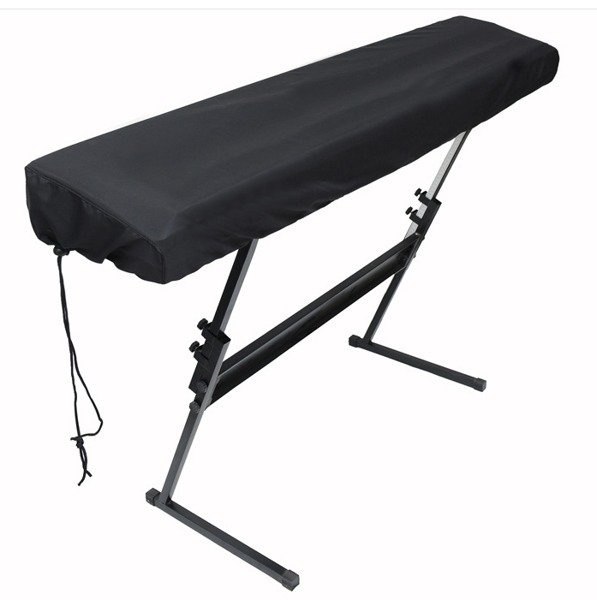
A keyboard cover is particularly suitable when the instrument remains stationary for extended periods. It helps limit dust accumulation on the keyboard, control features, and the surface of the instrument.
It is practical for home use, in music schools, rehearsal spaces, and studios. However, a cover is not a replacement for a transporting case and is not designed for carrying the instrument.
For portable digital pianos, an appropriately sized transport case can be used. As digital pianos are often larger and heavier than regular keyboards, pay attention not only to the size of the case but also to its construction, handles, and overall carrying method.
For furniture-style digital pianos, a protective cover is more commonly used as these instruments are not meant for frequent transportation.
Before selecting a case, measure the length, width, and height of your keyboard or digital piano. The largest dimension of the instrument should include any protruding parts.
Then, compare these dimensions with the internal dimensions of the specific case. Do not rely solely on the spine-width of 61, 76, or 88 keys.
While the number of keys is a useful indicator, it is not exhaustive. Some instruments have broader side panels, larger speakers, or differing construction depths.
Hence, the decisive factor becomes the specific dimensions of the instrument and the interior space of the case.
In case of frequent transport, a sturdy handle or a shoulder strap might be practical. Some cases also come with exterior pockets for cables, pedals, sheet music, or smaller accessories.
For heavier instruments, pay attention to how the case is held and the case's construction to ensure comfortable transportation.
If your keyboard or digital piano stays on a stand most of the time, an anti-dust protective cover is a practical everyday accessory. Covering the instrument between practice sessions helps keep its surface and keys clean.
Measure the length, width, and height of your instrument and compare these values with the internal dimensions of the case.
No, the number of keys is just an indication. Instruments with the same number of keys may have different external dimensions.
A case is primarily used for transportation and storage of the instrument. A cover is used mainly to protect the instrument against dust when it stays on a stand.
No, for transportation use a suitable case designed for carrying a keyboard instrument.
Yes, a padded case can be a practical option for regular transport. However, always verify the specific level of padding for the particular model.
If the case has an appropriate separate pocket, you can use it for smaller accessories. However, before placement, verify that hard objects are not pressing directly against the instrument.
The most critical aspects are the exact dimensions and weight of the instrument. For larger digital pianos, pay attention to the construction of the case and the method of carrying.
Yes, it is practical anywhere a keyboard instrument stays in one place for an extended period, and you want to limit dust accumulation.

Ďakujem zo srdca za spoluprácu , veľmi ochotný personál , rýchle a precízne zabalené dodanie.
- 4. septembra 2026 Overený zákazník
Rýchle spracovanie mojej objednávky
- 1. septembra 2026 Overený zákazník
Všetko v poriadku
- 10. augusta 2026 Overený zákazník