- Doprava a platba
- Veľkoobchod
- Pri nákupe za 55 € máte dopravu ZADARMO

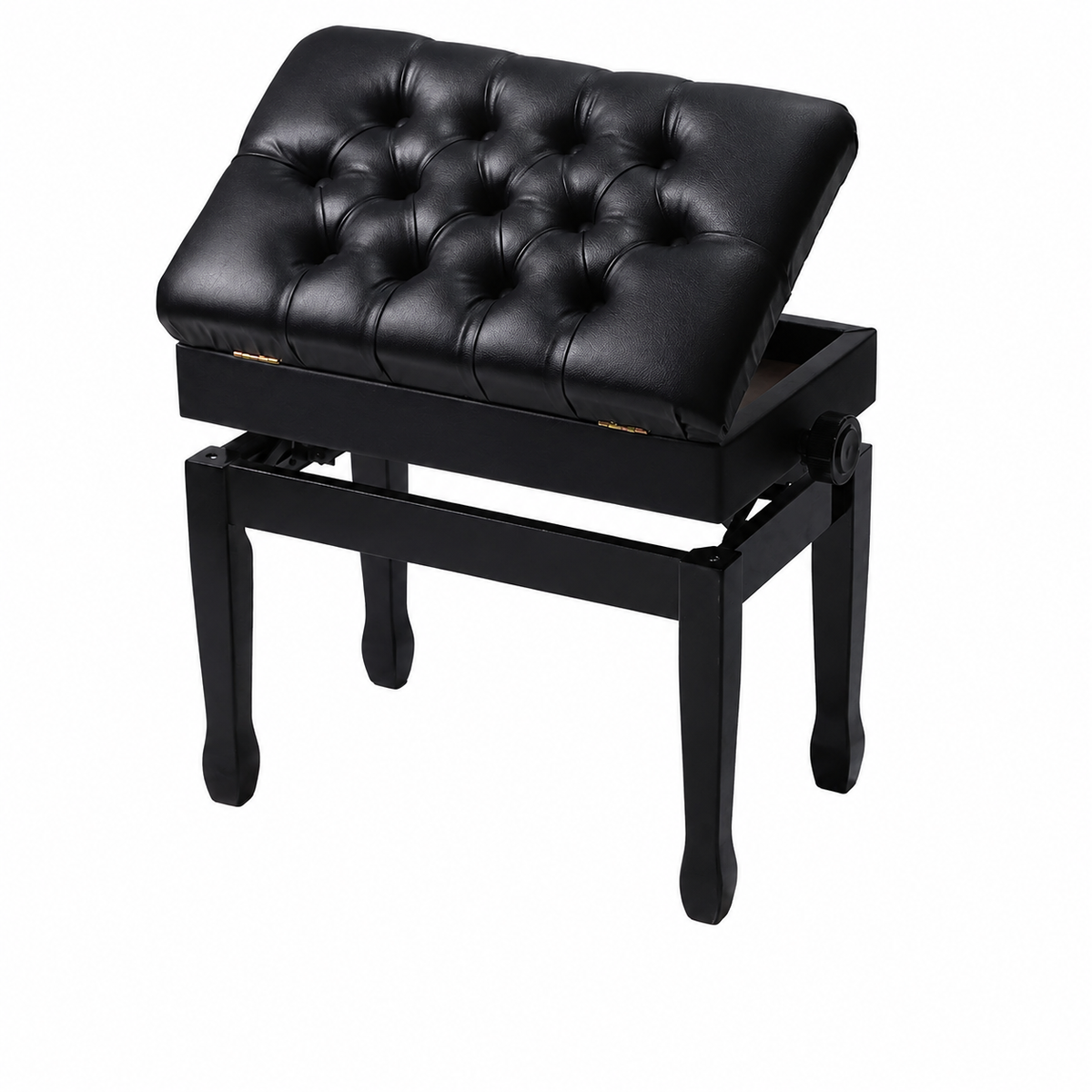
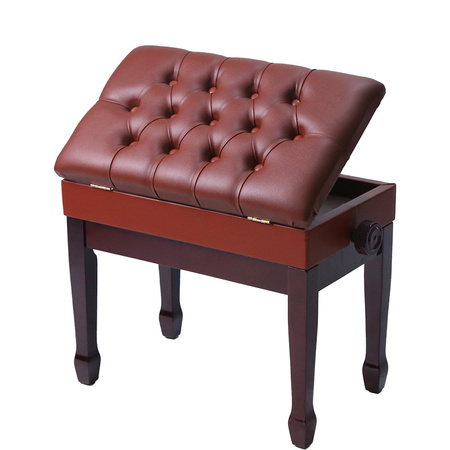
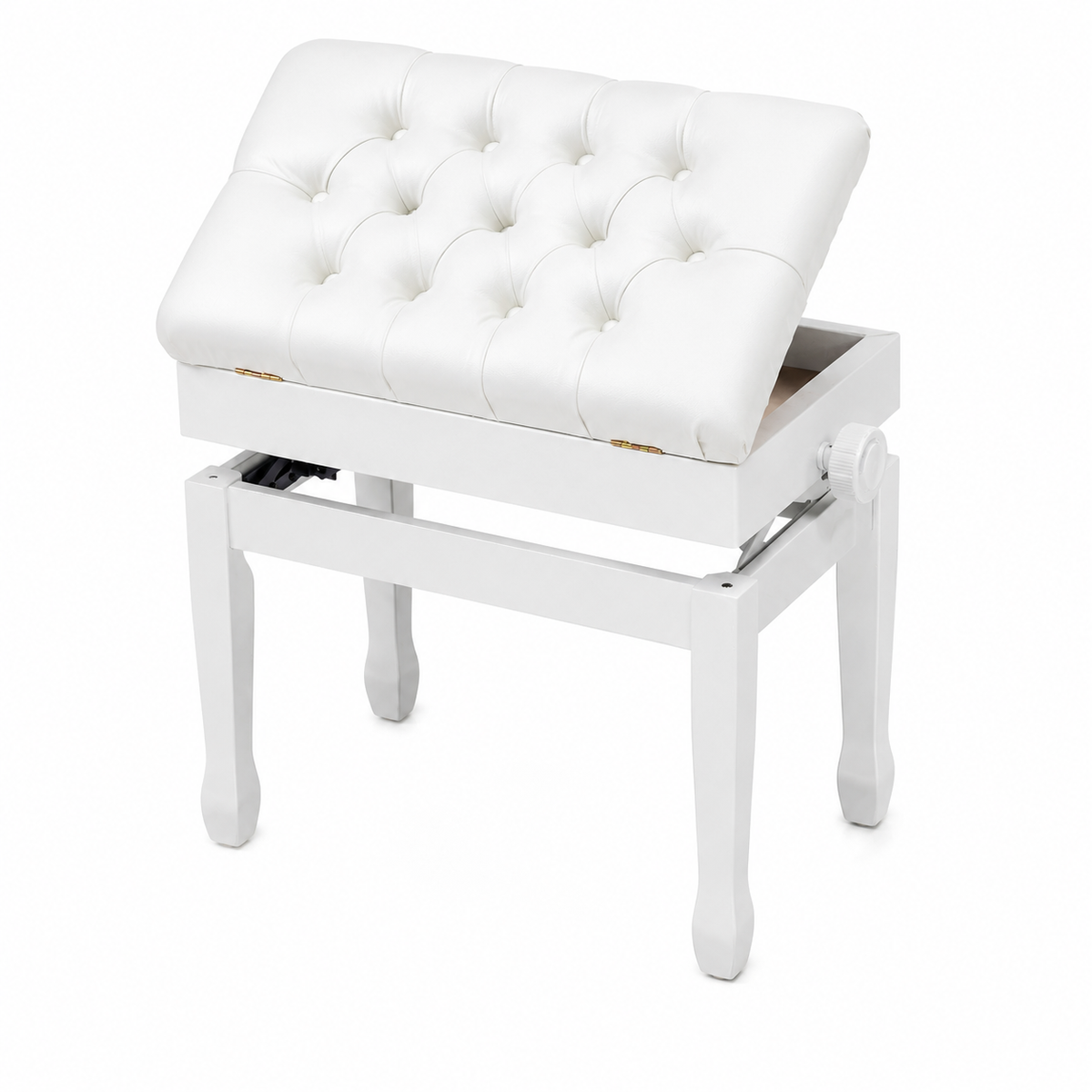
Piano Stools and Benches – Adjustable Seating for Pianos and Keyboards
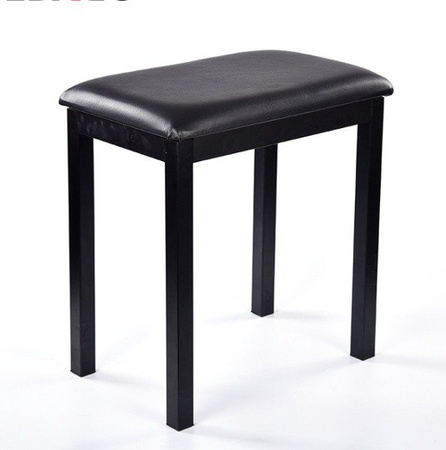
Piano stools and benches are fundamental accessories associated with pianos, digital pianos, and keyboard instruments. The correct seat height and seating stability profoundly influences the player's comfort and posture during a performance.
When choosing a piano stool, it's worth paying attention to potential adjustments such as seat height, stability, dimensions, cushioning, and the maximum load capacity. The solution for a child attending a music school may vary from that of an adult player who spends several hours a day at the instrument.
The paramount factor is the ability to sit naturally and without unnecessary tension while playing. The seat height should allow a comfortable hand position over the keyboard and stable foot support.
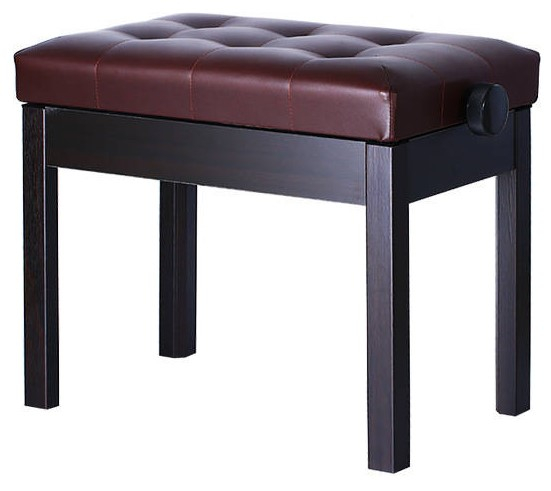
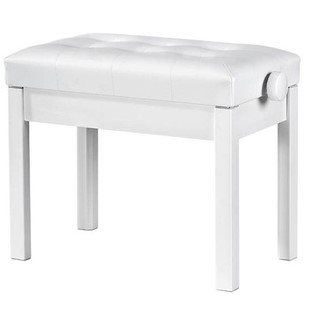
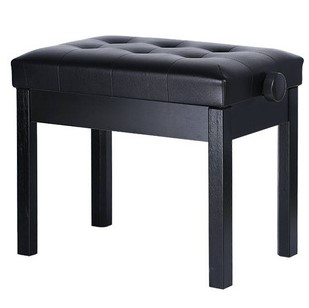
If the stool will be used by multiple people or a growing child, a practical option is an adjustable height piano stool or bench.
An adjustable piano stool allows you to adapt the seating position to the player's height and the height of a particular instrument. This feature is beneficial at home, music schools, and studios where multiple musicians use one instrument.
Various models utilize different adjustability mechanisms, so it’s useful to verify the height range and its adjustment method for a specific product.
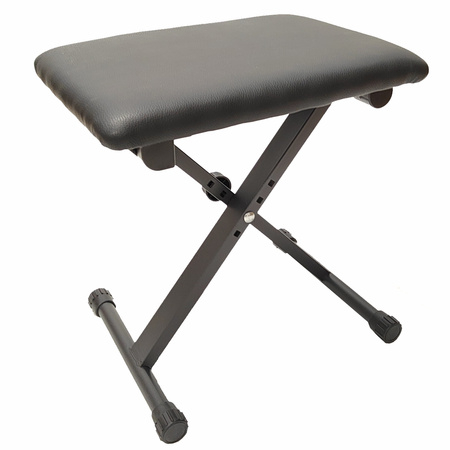
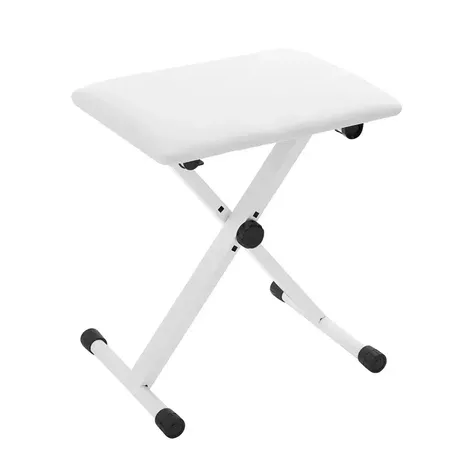
The terms piano stool and piano bench refer to various design solutions. Benches typically have a wider seat and a more traditional look, while folding keyboard stools are more compact and easily portable.
A traditional bench may suit a home piano, while a folding stool might be more practical for a keyboard that's frequently moved.
A piano stool isn't only meant for a traditional piano. It's also suitable for a keyboard or digital piano, given that you can match its height correctly with that of the keyboard.
If you use a separate keyboard stand, an adjustable stool will allow you to modify both parts of the setup to ensure comfortable playing position.
There isn't a universal height suitable for every player. It depends on the player's height, arm length, keyboard height, and individual playing posture.
When seated, your shoulders should be relaxed, and hands should be in a natural position relative to the keyboard. If you need to significantly raise your shoulders or lean forward excessively, the seat height probably isn’t optimally set.
For children, an adjustable height is particularly practical as it allows seat adjustment to their growth. Depending on the situation, a suitable foot support might be needed for smaller children.
If the child attends a music school, it’s useful to take into account the teacher's recommendations while setting the correct position at the instrument.
The padded seat of a piano stool enhances comfort, especially during longer practice sessions. Individual models vary in their cushion thickness, firmness, and seat material.
For regular usage, not only softness but also seat stability is important. An excessively soft or unstable seat might not be ideal for prolonged playing.
During selection, always check the maximum load capacity of the piano stool as specified by the manufacturer. The structure should be stable when seated, and all adjustable elements should be securely fixed before use.
If the stool has anti-skid foot finishes, they can help prevent sliding and simultaneously reduce direct metal construction contact with the floor.
A folding keyboard stool is practical for musicians who regularly transport their keyboard to rehearsals, concerts, or teaching classes. When folded, it occupies less space and is more manageable to transport with other equipment.
Before each use, check that the folding mechanism is fully deployed and safely secured.
Select based on your height, keyboard height, desired comfort, and usage method. A stable model with adjustable height is usually the go-to choice.
Yes. It allows adjusting the seating position to a specific player and instrument. It's particularly practical for children or cases where the stool is used by multiple people.
Yes. The crucial point is matching its height to the keyboard on the stand to enable a comfortable playing position.
The difference is primarily in the design. Traditional benches generally have a wider seat, while folding keyboard stools are more compact and convenient for transportation.
Padding can increase comfort during extended playing sessions. However, stability, appropriate height, and sturdy construction are equally important when selecting a stool.
The height depends on both the player and the instrument. Set it so your shoulders are relaxed, and your hands can naturally play above the keyboard without significantly lifting or bending your wrists.
An adjustable height stool that can adjust to a child's growth is a practical choice. For smaller children, a separate footrest might be needed.
Always ensure that the construction is completely deployed, properly secured, and placed on a flat surface before sitting.

Ďakujem zo srdca za spoluprácu , veľmi ochotný personál , rýchle a precízne zabalené dodanie.
- 4. septembra 2026 Overený zákazník
Rýchle spracovanie mojej objednávky
- 1. septembra 2026 Overený zákazník
Všetko v poriadku
- 10. augusta 2026 Overený zákazník